Type AC RCD Symbol Explained: AC, A, F & B RCD Symbols Guide
Type AC RCD symbol guide: AC, A, F & B markings explained for UK electricians.

Written by
Michael Adrian
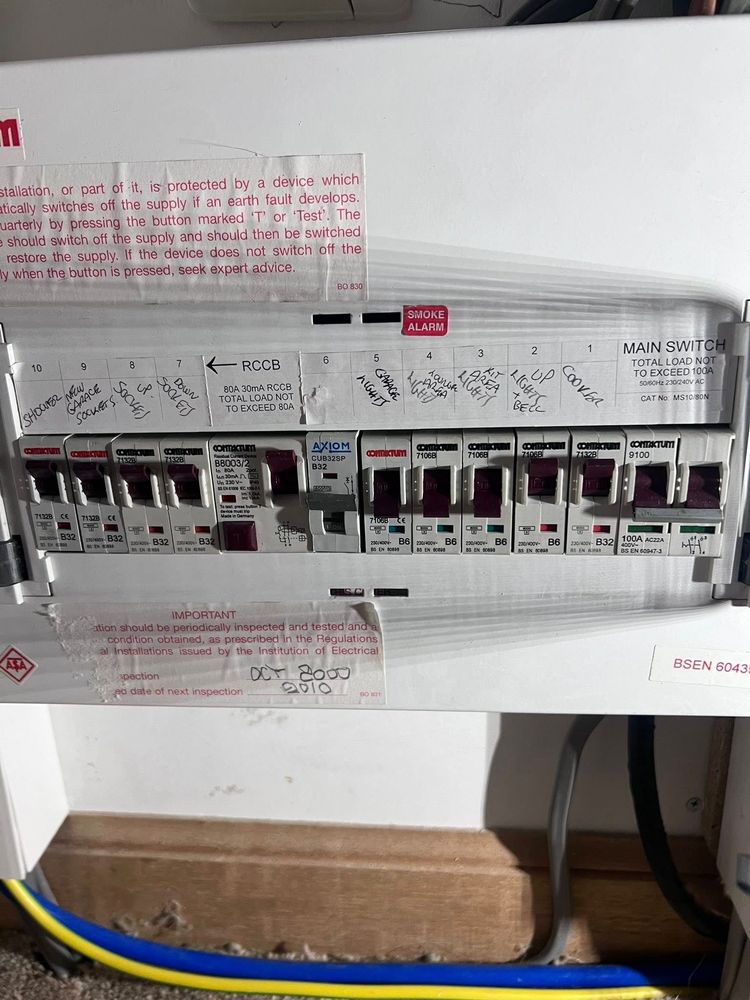
doing a board change and stood in the wholesalers staring at RCDs wondering why ones £15 and another ones £180
heres what the difference actually is and which one you need without getting done by building control
RCD Symbols Explained: Type AC, A, F & B
A practical guide to the RCD symbols and markings UK electricians see on consumer units, including what Type AC, A, F and B devices detect and when each type is normally used.
Use this alongside BS 7671 manufacturer data and the job specification before selecting or coding an RCD type.
What is an RCD and Why Does the Type Matter?
the basics
RCD monitors live and neutral currents - if theres a difference (earth leakage) it trips in milliseconds and disconnects the supply
saves lives, prevents fires, you know the drill
why type matters now
back in the day everything was purely resistive - tungsten bulbs, basic heaters, done
now every house has LED drivers, switch-mode power supplies, USB sockets, smart tech everywhere
these electronic loads can leak DC onto the AC circuit and this is where it gets interesting
the blinding effect
standard RCD gets hit with smooth DC leakage and the ferrite core in the sensing coil becomes saturated - basically "blinded"
when a genuine AC fault happens the RCD wont trip
youve got protection that isnt actually protecting anything
regulation check
amendment 2 of 18th edition (BS 7671:2018+A2:2022) changed everything
regulation 531.3.3 says you must select RCD type based on equipment connected
this effectively banned Type AC RCDs for general domestic use
if youre still fitting Type AC on new installs youre not compliant simple as that
Type AC RCD
what it detects
pure alternating sinusoidal residual current only
thats it - just AC
symbol
simple sine wave (~)
use cases
strictly legacy installations or purely resistive loads with zero electronics
old school tungsten lighting, basic immersion heater with no electronic timer
BS 7671 position
regulation 531.3.3 makes it clear - Type AC shall only be used for fixed equipment where you absolutely know the load has zero DC components
sparky tip
wholesalers still trying to flog cheap Type AC boards online because theyve got pallets of the things
dont fall for it on new domestic work - they wont comply with Amd 2 and building control will bounce it
Type A RCD
what it detects
AC sinusoidal current plus pulsating DC residual current up to 6mA
symbol
sine wave (~) with a pulsating bump above a solid line
use cases
this is your new baseline
standard domestic circuits - TVs, computers, LED lighting, most modern appliances
when required
minimum standard for general use under BS 7671
you can also use it for single-phase EV chargers but only if the charger has built-in RDC-DD (residual direct current detecting device) that handles DC faults over 6mA
if it hasnt got that you need Type B
Type F RCD
what it detects
everything Type A detects plus high-frequency mixed residual currents (up to 1kHz) plus smooth DC up to 10mA
symbol
sine wave, pulsating bump, and mixed high-frequency squiggles
use cases
single-phase inverter-driven appliances
becoming really relevant for modern white goods - washing machines with variable speed drives, air conditioning units, heat pumps
bonus feature
enhanced resistance to nuisance tripping from inrush currents these motors create
so if youre getting called back for random tripping on a heat pump circuit check if youve stuck a Type A on it when it needs Type F
Type B RCD
what it detects
AC, pulsating DC, high-frequency AC (up to 1kHz), and smooth DC residual current
detects everything basically
symbol
sine wave, pulsating bump, and smooth straight line (—)
use cases
serious specialized kit
required for 3-phase variable speed drives, solar PV inverters, battery storage systems, medical equipment, EV chargers without built-in 6mA DC protection
cost consideration
eye-wateringly expensive compared to Type A because of the complex internal electronics needed to detect smooth DC
always check the EV or solar manufacturer instructions to see if Type B is explicitly required or if Type A is sufficient
dont just assume - read the manual
RCD Symbols Quick Reference
Type AC: sine wave (~)
Type A: sine wave + pulsating bump
Type F: sine wave + pulsating bump + composite high-frequency wave
Type B: sine wave + pulsating bump + straight line (smooth DC)
memorize these or stick a photo on your phone because the symbols are what youll see on the device
Testing Different RCD Types
test button vs instrument testing
the physical test button homeowners should press every 3-6 months is just mechanical
deliberately unbalances the coil to check the mechanism hasnt seized
your MFT instrument test actually verifies the device operates within legally required timeframes
expected trip times
BS 7671 Amd 2 simplified testing
for standard 30mA RCD test at 1x (IΔn) using AC setting - should trip under 300ms
if its providing additional protection (sockets etc) do 5x test - should disconnect under 40ms
why wont it trip
during instrument test: if it fails MFT test theres probably existing DC leakage blinding the coil
unplug all appliances on the circuit and test again
during button test: if button doesnt work but MFT does you might have downstream neutral-to-earth fault providing parallel path bypassing the sense coil
or the mechanical button contacts are corroded and the units knackered
bin it
recording results
rather than scribbling trip times on the back of a ripped bit of paper use proper EICR software that records and syncs everything automatically
turns out it actually saves time when youre doing the cert later
Which RCD Type Do I Need?
heres the decision logic:
purely resistive load with no electronics? Type AC (though Type A is safer and future-proof)
EV charger, solar PV, or produces >6mA smooth DC? Type B (unless EV has RDC-DD then Type A is fine)
single-phase frequency-controlled motor (heat pump / modern washing machine)? Type F
standard domestic circuit (LEDs, PCs, TVs)? Type A minimum
when in doubt check manufacturer data sheet - they usually specify what type you need
Common Mistakes
fitting Type AC in new work
just because wholesalers got them on clearance doesnt mean you can use them
throwing Type AC main switch in new dual RCD board is direct violation of reg 531.3.3
dont do it
blindly using Type A for EVs
if charger doesnt have internal DC fault protection (>6mA) a Type A will get blinded
you must use Type B
ive seen sparks argue with me on this - read the regs mate its not optional
forgetting high-frequency loads
wiring new inverter-driven heat pump on standard Type A RCBO then getting callbacks for nuisance tripping
always check manufacturer data - they usually spec Type F or Type B
if youre getting nuisance tripping also check your earth loop impedance isnt through the roof
Summary Table
| Type | Detects | Symbol | Typical Use | Reg Status |
|---|---|---|---|---|
| AC | pure AC sinusoidal only | sine wave (~) | obsolete for general use, simple resistive loads only | banned for general use (531.3.3) |
| A | AC + pulsating DC (<6mA) | sine + pulsating bump | modern homes, TVs, PCs, LEDs, EV chargers with RDC-DD | minimum standard for most installs |
| F | Type A + high frequency & smooth DC (<10mA) | sine + pulsating + mixed frequency | single-phase inverters, heat pumps, modern washing machines | 531.3.3 (iii) |
| B | all the above + smooth DC (>10mA) | sine + pulsating + straight line | 3-phase VSDs, solar PV, battery storage, EV chargers without DC protection | mandatory for >6mA DC leakage |
Quick Summary
Type AC - basically obsolete for new domestic work, dont use it
Type A - your new baseline, minimum for general circuits
Type F - inverter-driven single-phase stuff like heat pumps
Type B - solar, battery storage, EV chargers without built-in protection
regulation 531.3.3 from amendment 2 changed the game - you must select based on connected equipment
wholesaler trying to sell you cheap Type AC boards? walk away
questions people ask
what are the different types of RCD?
Type AC (pure AC only), Type A (AC + pulsating DC up to 6mA), Type F (Type A + high frequency + smooth DC up to 10mA), Type B (detects everything including smooth DC over 10mA)
which RCD type do i need?
depends on equipment - Type A minimum for general domestic, Type F for inverter-driven appliances like heat pumps, Type B for solar PV and EV chargers without built-in DC protection
can i still use Type AC RCD?
only on purely resistive loads with zero electronics and zero chance of electronics being added later. amendment 2 effectively banned them for general domestic use
whats the difference between Type A and Type F RCD?
Type F detects high-frequency residual currents and smooth DC up to 10mA that Type A cant see. also more resistant to nuisance tripping from inverter motor inrush
do EV chargers need Type B RCD?
depends - if charger has built-in RDC-DD (6mA DC protection) you can use Type A. if it doesnt you need Type B. check manufacturer instructions
why is my Type A RCD nuisance tripping?
probably got inverter-driven load creating high-frequency leakage - heat pump, modern washing machine, air con. swap to Type F
thats it - everything about RCD types without the waffle
pick the right one first time and you wont be getting callbacks
Ready to transform your EICR workflow?
Join hundreds of UK electricians who are saving hours on every report with TestFast.