EICR Codes Explained: What C1, C2, C3 & FI Mean for UK Electricians
guide to EICR observation codes - what C1, C2, C3 and FI mean

Written by
Michael Adrian
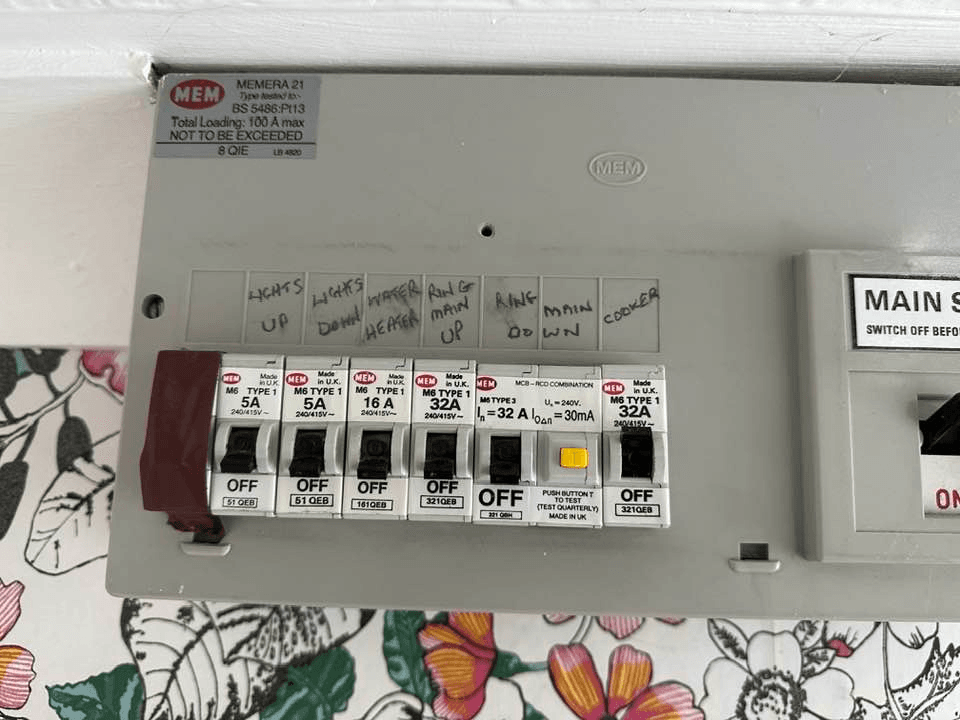
Old consumer unit with poor labeling
right so youre doing EICRs and need to actually understand what these bloody codes mean
not the BS 7671 waffle - the real shit that matters when youre filling out the cert at 4pm on a friday
heres everything about C1, C2, C3 and FI codes without the nonsense
What Are EICR Observation Codes?
when youre doing an electrical installation condition report youre checking the fixed electrics against BS 7671 current regs
anything dodgy gets written down as an "observation" and you slap a code on it - C1, C2, C3 or FI
the code tells everyone how serious it is - from "get out the house now" to "yeah fix it eventually maybe"
the main guide for this is Best Practice Guide 4 from Electrical Safety First. its what everyones supposed to use so the codes actually mean the same thing whether youre in leeds or london
basically its the cheat sheet that stops one spark calling everything C2 while another marks the same thing C3
Code C1: Danger Present
what it means
immediate risk of injury or fire right now
not "could be dangerous" - dangerous today, this minute
examples you actually see
- exposed live wires someone can touch (damaged cables with copper showing)
- consumer unit covers missing so you can see live busbars
- severe scorching or overheating at connections
- main earthing completely disconnected or just not there
what you do
fix it before you leave site
yeah seriously - youre not supposed to just write C1 on the cert and walk away. isolate it, lock it off, make it safe
landlord side
property is unsafe full stop
tenants cant use those circuits and the landlord needs emergency repairs done before its compliant again
no grey area on C1s
Code C2: Potentially Dangerous
what it means
not dangerous right this second but could become serious if a fault develops or things change
needs fixing urgently but you dont have to down tools immediately
examples you see all the time
- no RCD protection on sockets used outdoors
- insulation deteriorated so you can see copper conductors
- wrong rated protective devices (someone stuck a 32A breaker on 2.5mm cable)
- missing supplementary bonding in bathrooms where its required
what you do
urgent remedial work needed
the installation is unsafe until its sorted
the 28 day rule
landlords have maximum 28 days from inspection date to fix C2 faults under the private rented sector regs
or sooner if you write a shorter timeframe on the cert
this ones actually law not a suggestion
Code C3: Improvement Recommended
what it means
doesnt meet current best practice but its not actually dangerous
usually means it was compliant when it was installed but regs have moved on
common examples
- older plastic consumer unit in good nick (regs prefer metal now)
- no surge protection devices
- missing circuit labels on the board
- old wiring colours (red/black instead of brown/blue)
what you do
nothing if you dont want to
its advisory only - improvement recommended to make it better but not mandatory
why C3 doesnt fail the EICR
because theres no danger present or potential
you can have 47 C3 codes and still get a satisfactory outcome
landlords dont legally need to fix C3s to rent the property out
obviously fixing them is good practice and future-proofs the installation but its not required for compliance
Code FI: Further Investigation Required
what it means
found something that looks dodgy but cant properly assess the risk without more time, access or testing
examples
- untraced circuits you cant identify
- areas you cant access where you suspect damage
- something that needs specialist testing you dont have kit for
what you do
additional investigation required without delay
needs doing to work out if its actually a C1 or C2 hiding in there
landlords get 28 days to sort the investigation same as C2s
treat FI like C2 for urgency
What Makes an EICR Unsatisfactory?
the pass/fail logic is dead simple:
any C1 = unsatisfactory (fail)
any C2 = unsatisfactory (fail)
any FI = unsatisfactory (fail) until resolved
C3 only = satisfactory (pass)
one C2 on the whole cert? fail
fifteen C3s? pass
thats it
Common C1/C2/C3 Examples Table
heres what you actually see on sites and what code they get:
| Electrical Observation | Code | Reason |
|---|---|---|
| broken socket casing exposing live terminals | C1 | danger present - immediate shock risk |
| missing main earthing conductor | C1 | danger present - no fault protection, highly dangerous |
| reversed polarity at socket outlet | C1 | danger present - equipment stays live when switched off |
| badly scorched wiring or overheating connections | C1 | danger present - immediate fire risk |
| no RCD protection for socket circuits | C2 | potentially dangerous - lack of additional shock protection |
| DIY alterations not complying with BS 7671 | C2 | potentially dangerous - unsafe wiring could cause fault |
| undersized earthing conductors | C2 | potentially dangerous - might not handle fault currents |
| water pipes too close to electrical sockets | C2 | potentially dangerous - high risk water ingress/shock |
| plastic consumer unit in good condition | C3 | improvement recommended - doesnt meet modern non-combustible standards but not dangerous |
| older wiring colours (red/black) | C3 | improvement recommended - pre-dates harmonized colours but safe if tested fine |
| missing circuit identification labels | C3 | improvement recommended - makes maintenance difficult but no risk |
| unidentified circuit causing tripping | FI | further investigation - cant determine safety without tracing |
How to Write Professional Observations
right this is where most sparks fall down
youre doing the testing, taking rough notes - "broken plug", "fuse box knackered", whatever
but if those rough notes go straight on the EICR it looks shit to the client and wont hold up legally if challenged
example transformation
rough note: "broken socket in living room"
professional wording: "damage to the casing of the double socket-outlet in the living room, resulting in access to live parts (C1)"
see the difference?
you need to reference BS 7671 language and Best Practice Guide 4 properly
problem is no ones got time to memorize the exact phrasing for 50 different observations
turns out theres tools for this now
TestFast Observation Builder does the translation for you - you put in your quick site notes and it converts them to proper BS 7671 compliant observations without you having to think about it
not saying you need it but if youre doing 3+ EICRs a week and sick of rewriting observations at 6pm it saves the hassle
Quick Summary
C1 = danger present, fix immediately before leaving site
C2 = potentially dangerous, urgent fix needed (28 days max for landlords)
C3 = improvement recommended, advisory only, doesnt fail the EICR
FI = further investigation required, treat like C2 for urgency
unsatisfactory EICR = any C1, C2 or FI present
satisfactory EICR = C3 codes only (or nothing at all)
questions people actually ask
what does C1 C2 and C3 mean on an electrical inspection?
theyre observation codes for classifying how serious electrical defects are. C1 is danger present (immediate risk), C2 is potentially dangerous (needs urgent fix), C3 is improvement recommended (advisory only)
what is the code C1 C2 C3?
these codes come from BS 7671 and help landlords and property owners understand electrical safety and prioritize repairs. C1 most serious down to C3 least serious
is a C3 a fail on an EICR?
no. C3 means improvement recommended. if your report only has C3 codes the overall result is satisfactory (pass)
what makes an EICR unsatisfactory?
any C1, C2 or FI codes make it unsatisfactory (fail). C3 codes only = satisfactory
how long do you have to fix a C2?
landlords get maximum 28 days from inspection date under private rented sector regs. or sooner if you specify shorter on the cert
can you ignore C3 codes?
legally yeah. landlords and homeowners arent required to fix C3s to get satisfactory EICR. but fixing them brings property up to current standards which is good practice
thats it - everything you need to know about EICR codes without the waffle
if youre still writing observations by hand and want to speed it up check TestFast but no pressure
Ready to transform your EICR workflow?
Join hundreds of UK electricians who are saving hours on every report with TestFast.